






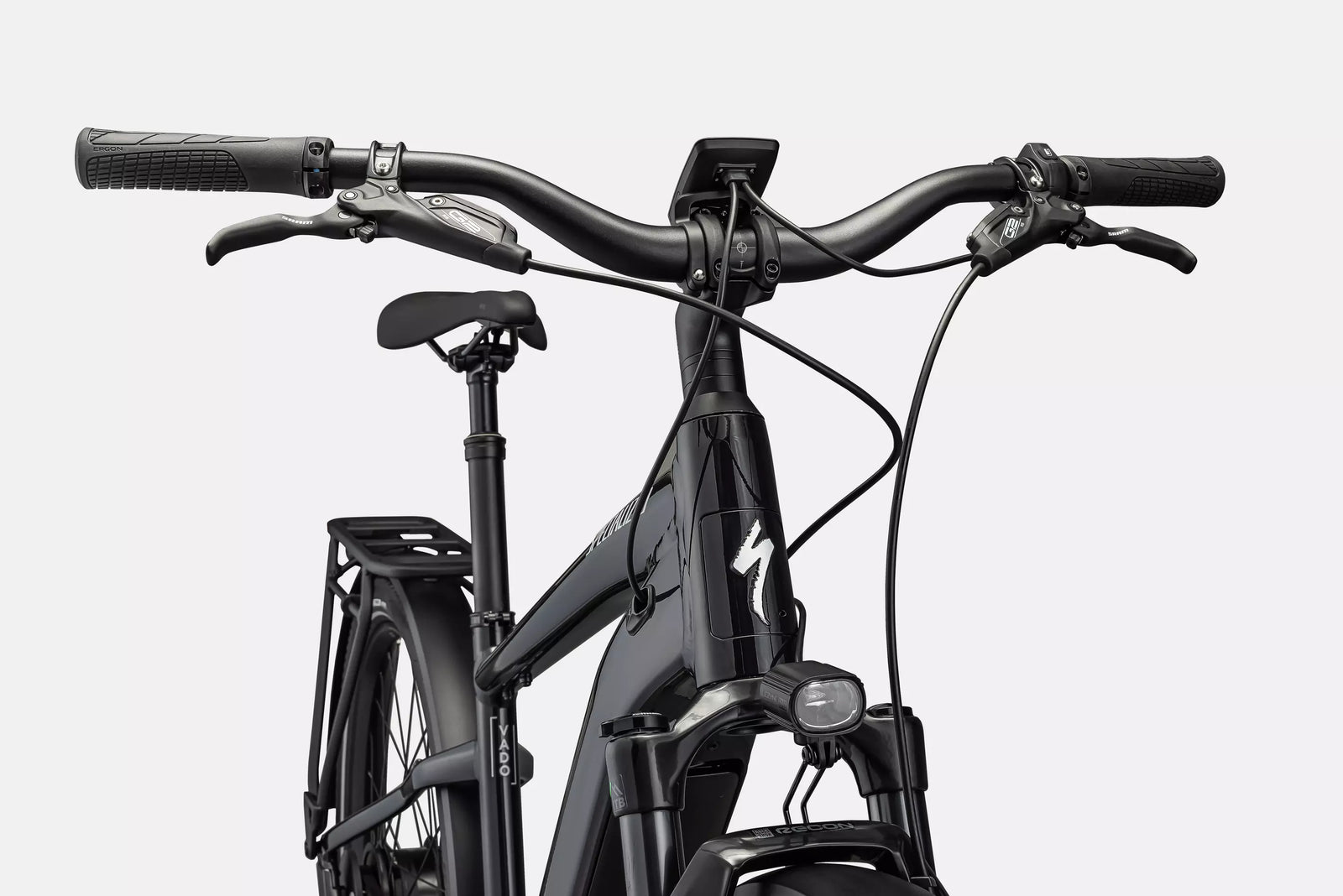

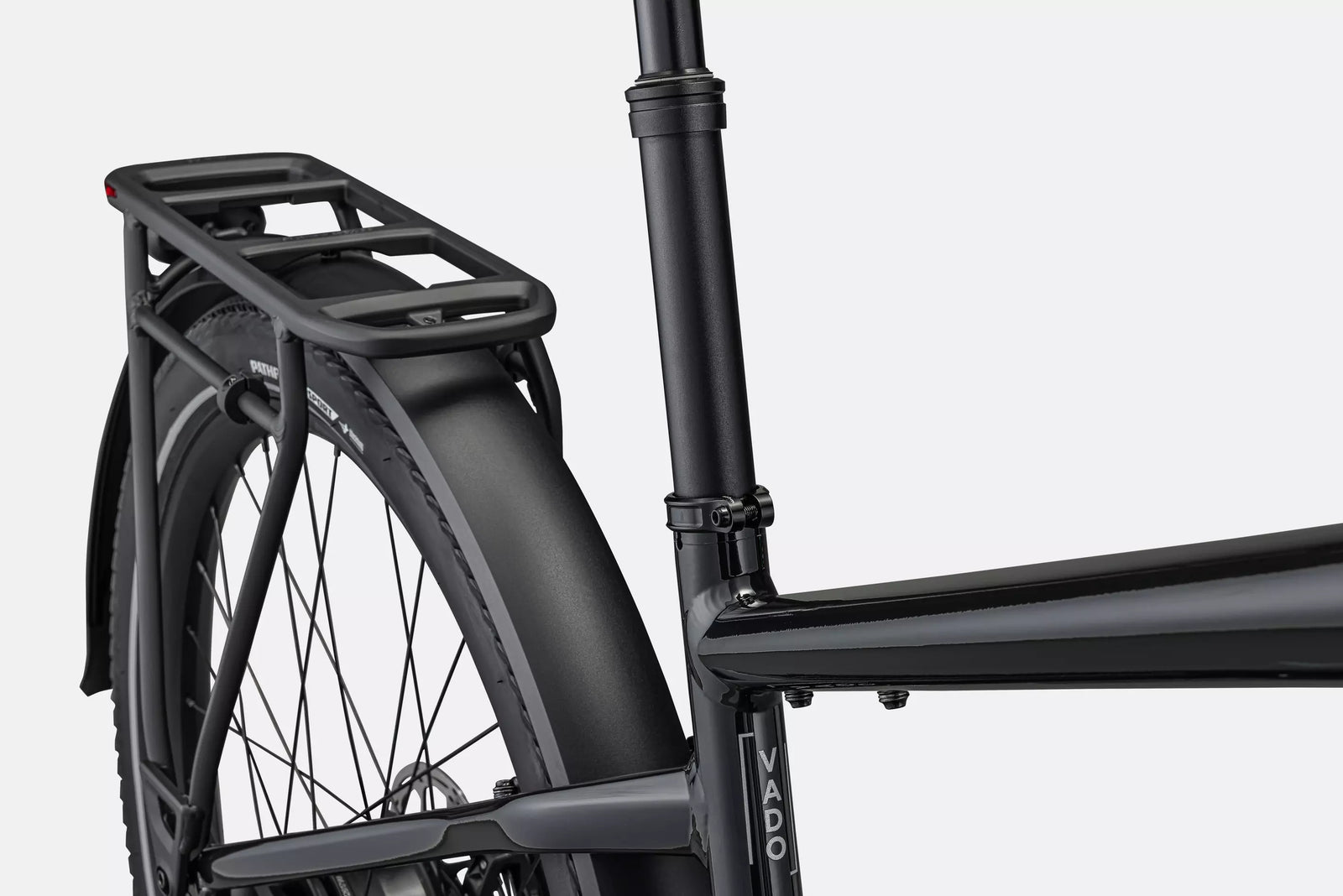

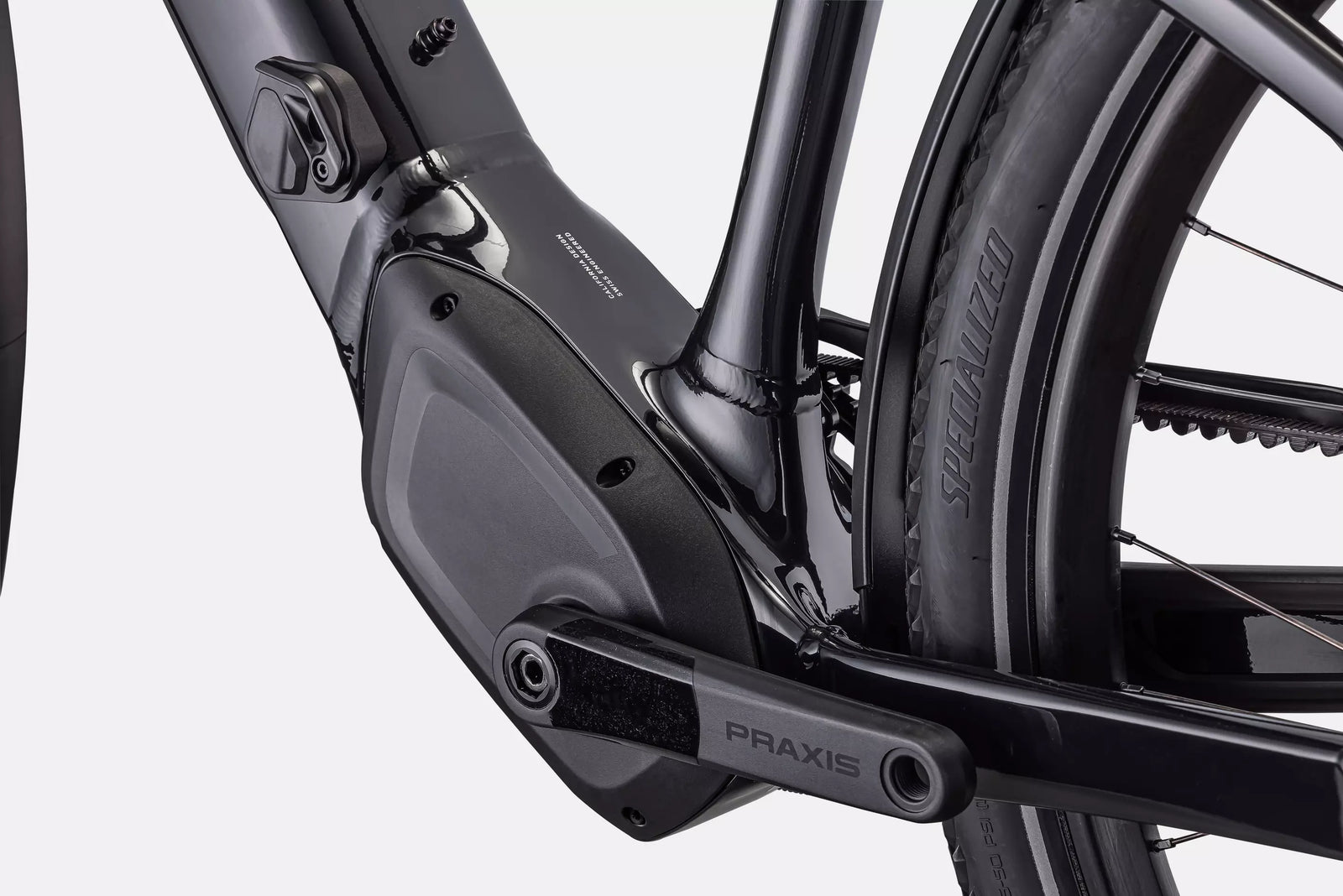

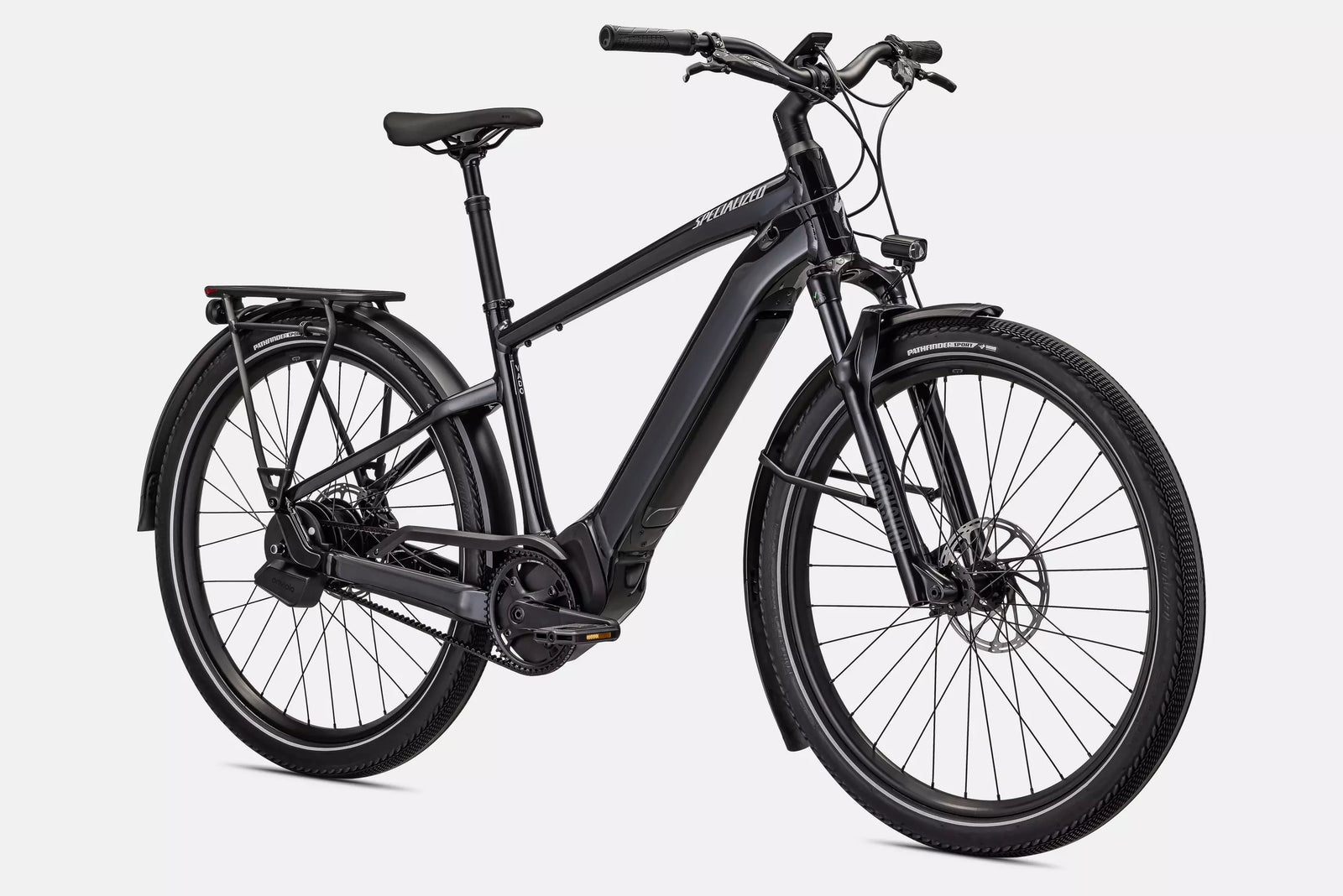




Electric commuter bike with belt drive and internal gearing, built for daily riding in real conditions
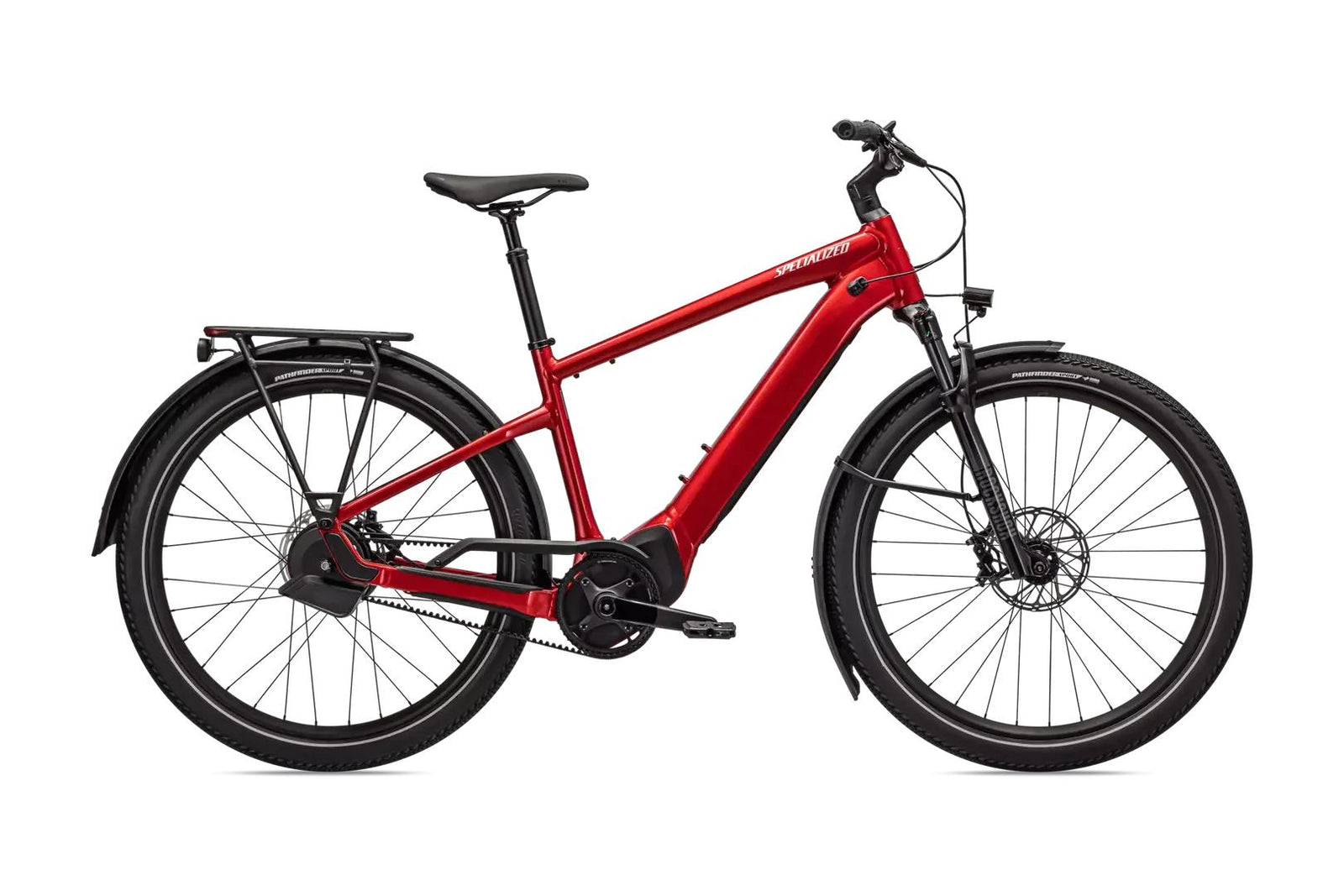
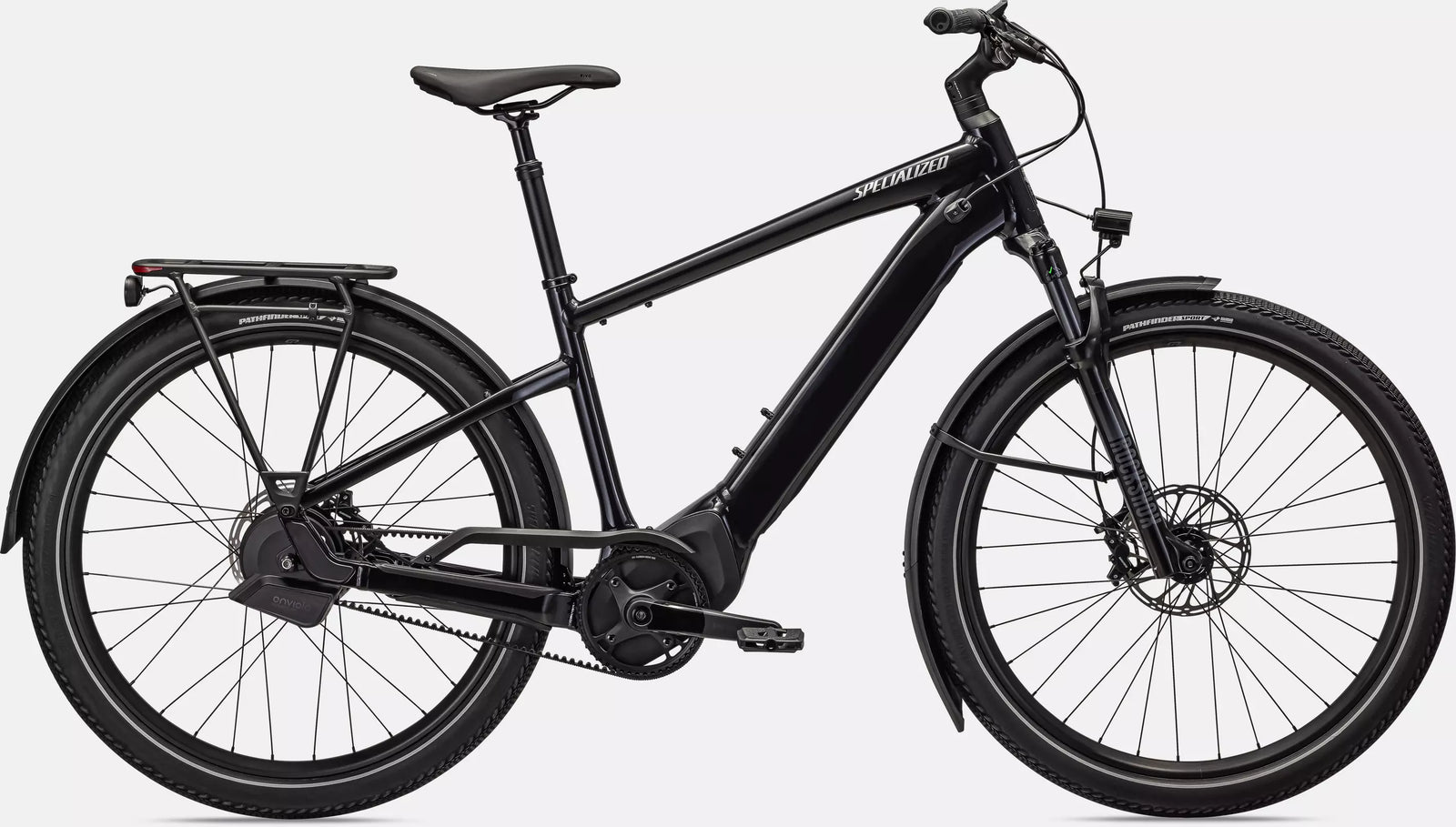
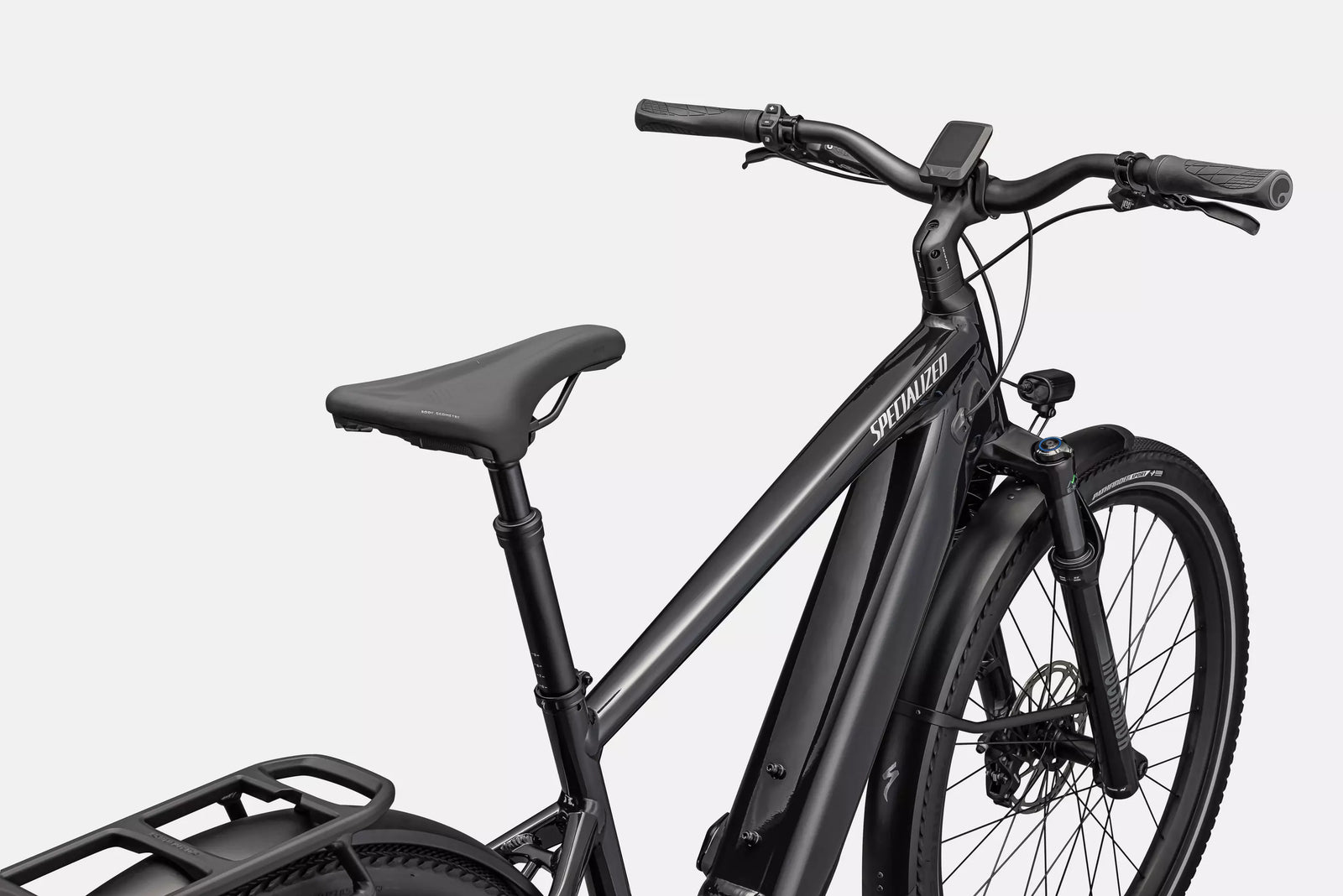
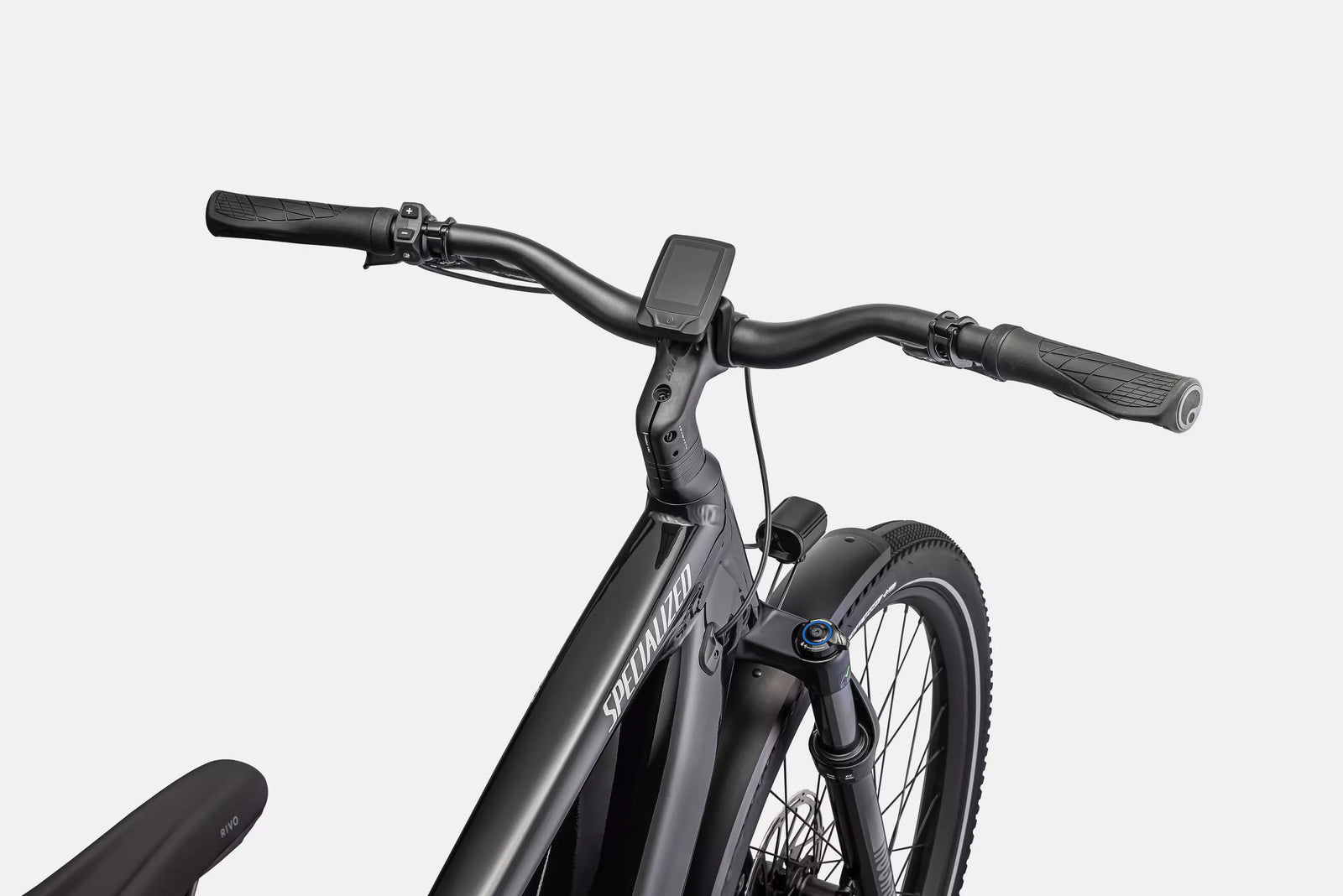
The Specialized Turbo Vado 5.0 IGH is a full-power electric commuter bike designed for riders who want a reliable, low-wear setup for everyday transport. It pairs a high-torque motor with a large battery and a belt-driven internal gear hub, making it a strong option for consistent riding through Wellington’s hills, wind, and stop-start traffic.
At a Glance
Category: Electric commuter bike
Motor: Specialized 2.2, 90 Nm torque
Battery: 710 Wh integrated
Drivetrain: Belt drive with internal gear hub (IGH)
Brakes: Hydraulic disc brakes
Use: Sealed roads, bike paths, mixed urban terrain
Why We Like It
The combination of belt drive and internal gearing changes how this bike feels to own long term. There’s no derailleur hanging low, no chain to wear out quickly, and shifting stays consistent even when stopped at lights. For daily commuting, especially in wet or coastal conditions, that translates to fewer drivetrain replacements over time.
The 90 Nm motor has the strength for Wellington’s steeper suburbs and headwinds, while the 710 Wh battery suits longer commutes or higher assist use. It’s a setup that doesn’t feel underdone when the ride gets harder.
Best For
Daily commuting across Wellington, including hillier routes like Brooklyn, Karori, and Ngaio. Suits riders doing regular 10–30 km trips, mixed terrain riding, and anyone wanting a consistent, transport-first bike rather than something sporty or lightweight.
What Makes It Different
Most e-bikes at lower price points use hub motors and derailleur drivetrains. This uses a mid-drive motor with significantly more torque, paired with an internal gear hub and belt drive.
That means better climbing ability, smoother power delivery through the pedals, and a drivetrain that handles weather and daily use with less wear. It’s a more stable, long-term setup for riders planning to use the bike regularly rather than occasionally.
Good to Know
The internal gear hub allows shifting while stationary, which is useful in stop-start traffic. The belt drive reduces drivetrain wear but does not remove the need for servicing. Brakes, tyres, and general checks still apply.
Battery range depends on rider weight, assist level, terrain, and wind. A 710 Wh battery is well suited to longer Wellington commutes or riders using higher assist levels regularly.
Who It Might Not Suit
If you want a lighter, more fitness-focused ride or something for occasional weekend use, this may feel like more bike than you need. Riders comfortable maintaining a traditional chain drivetrain may find a derailleur-based system more familiar and lower upfront cost.
Final Word
This is a commuter built for consistency. Strong motor, large battery, and a drivetrain designed to handle daily riding without constant adjustment. If you’re replacing car trips or riding year-round, it makes a strong case over simpler e-bike setups.
How to Choose the Right Electric Bike
-
When you chat with us - whether in the shop or online - we’ll usually start by asking two simple questions:
Where do you want to ride? Do you tackle a big hill, cruise a long flat commute, or a bit of both?
Do you need to carry anything? Is it cargo, a kid, or a mix of everything?
Big hills usually mean more power and stronger brakes. Long commutes might call for a high-speed option with a larger battery. Carrying kids or heavier gear might mean looking at stability and the right accessories.
It can feel overwhelming with so many models out there, but that also means there’s a perfect match for your lifestyle. We’ll help you find it - and you can take a test ride to make sure it really fits into your day-to-day.
If you want to explore yourself on our website, go to our electric bike page and use the filters to narrow down your options based on how you answered the questions above.
-
Non-electric bikes are fine for flat, short trips with lighter loads, or more recreational endeavors. But if you’ve got hills, longer distances, or a wriggly kid or gear on board, an electric bike will change your life. The motor takes the sting out of climbs, makes heavy loads manageable, and opens up bigger commutes sans sweat.
Worried you'll get lazy? Honestly, it doesn't happen. If anything you'll find yourself riding your bike more knowing you have that electric support - think those occasions when you need to do a small grocery shop or pop into town for a dinner. Easier to grab the bike than the car. Plus you can still push it just as hard! You'll just get places faster.
-
Do I always need to fully charge my e-bike?
No! If you just need a top-up to cover your ride, charging to 50% is fine. A good rule of thumb for prolonging battery life is to avoid consistently running it flat. We suggest charging before it drops below 20%.Modern e-bike batteries are managed by a Battery Management System (BMS), which protects the cells against overcharging, deep discharge, and overheating - so you can charge with confidence.
In most cases, the battery can also be removed from the bike and charged indoors, which is convenient in winter or if you don’t have power access where you park your bike.
-
Yes. Most electrics bikes - especially ones for commuting - come equipped with a rear rack. Pannier bags or child seats can easily be fitted in most cases.
-
When riding an e-bike there is no need to be tucked down low into the wind as the motor simply pushes you through it, but if you’re an experienced rider you may find that a sporty riding position is more familiar and comfortable. If you’re new or newly returning to cycling you might prefer an upright step-thru bike, generally new riders feel safer riding upright. Perhaps you’d like a mix of both in which case a mid-step frame will typically give you that semi upright riding position. The riding position on most bikes can be customised somewhat with adjustable handlebars and seat positions. We can help you with this in-store. Use the frame style filters in our shop pages to choose your desired riding position.

Book a Test Ride
Book Now
A good test ride is the most important factor when it comes to finding the right bike.
Available for Electric Bikes only and subject to availability.